The Silence Between Two Hands
What A Sign of Affection taught me about love without words

I almost didn’t read this one. The premise sounded, on paper, like it might lean on its hook — a deaf heroine, a hearing love interest, a love story built on the gap between them. I’ve read enough stories that use difference as decoration. I was wrong to worry.
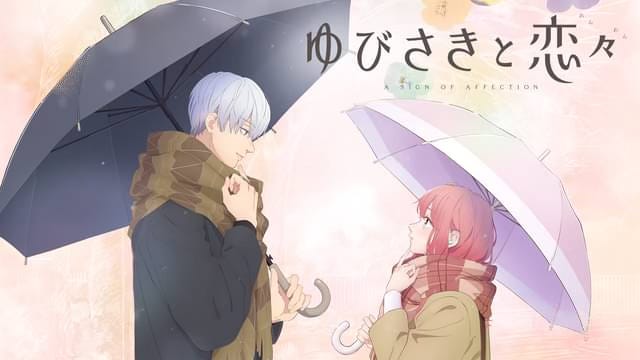
What A Sign of Affection actually does is slower and stranger than that. It takes the one thing most romance manga treat as the whole point — the confession, the words finally said out loud — and quietly removes it from the center of the story. Yuki doesn’t hear Itsuomi’s voice. He doesn’t fully know her language either, not at first. So the entire courtship happens in the space where neither of them can rely on the shortcut of speech. They have to actually watch each other.
There’s a moment early on where Itsuomi starts learning sign language — not fluently, not fast, but visibly, clumsily, in a way that costs him something. It isn’t framed as heroic. Nobody applauds him for it. It’s just what paying attention looks like when you strip away the ability to explain yourself in half a second. He has to sit inside not-yet-understanding. He has to wait.
I think that’s the part that stayed with me. So much of what gets called romantic in fiction is actually about speed — the quick wit, the perfect line, the confession delivered at exactly the right moment. A Sign of Affection is romantic in almost the opposite way. Its tenderness is in the waiting. In the willingness to stay in a conversation that’s difficult, that takes longer, that can’t be rushed toward resolution just because rushing would be more comfortable for the person doing the loving.
I keep coming back to something I think is very Japanese about this, even though the manga never states it outright: the idea that attention itself is a form of devotion, maybe the most honest form. Not the declaration. The noticing. Sitting with someone’s silence instead of filling it. Learning someone’s language instead of asking them to translate themselves for your convenience.
It made me think about how often “I love you” gets treated as the finish line, in stories and outside them — as if once it’s said, the work is done. Yuki and Itsuomi’s story suggests something quieter and, I think, truer: that love is less a sentence you say once and more a practice you keep choosing, in every small moment where you could take the easy way out and don’t.
If you want to go further into this cast, I wrote character breakdowns of two people who anchor the story in a very different way — Kyouya and Rin, whose “no rush” relationship is its own quiet argument, and Emma Nakazono, whose love doesn’t get simpler just because it’s harder. Both are up on the blog.